
What retrograde motion describes
Retrograde is an apparent motion. Seen from Earth, the changing relative positions make a planet appear to slow, stop, and move backward against the zodiac, while the planet keeps moving forward in its orbit. Every planet seen from Earth has retrograde periods. Mercury and Venus, however, orbit inside Earth’s orbit, and so each of their retrograde passages contains an inferior conjunction between its two stations.
For this reason, the thirteen phases below apply to Mercury and Venus only, because Mars and the outer planets have different Solar-cycle thresholds.
Planetary spheres and the solar meeting
Astrosophy understands a visible planet as the expression of a planetary sphere, which is a field of activity inhabited by communities of spiritual beings. In the same way, the Solar sphere is the field of Solar spirits and present Sun beings, and through it the organizing center of the I is approached.
At conjunction, the two visible bodies share an apparent direction from Earth, and Astrosophy reads this astronomical meeting as the sensible signature of a relationship between spheres. The beings of the planetary sphere bring their activity into conversation with Solar spirits. In that conversation, formative intentions and tasks carried through the hierarchies may be coordinated toward a form that can enter earthly biography.
The human I then recognizes the task, transforms it, and carries it freely. Reading inferior conjunction as a meeting of spheres is this app’s own Astrosophy correspondence, and the Source note at the end of the article lists what it draws on.
The thirteen phases
Shadow crossings, stations, and conjunctions are calculated events. Slowing, maximum backward speed, and renewed strengthening are moments that fall inside those measured spans.
Descent
1 · Direct approach before the repeated arc
Approach to formation
The beings of the planetary sphere carry their activity toward a particular earthly field. A formative intention begins to contract toward something the I can meet in biography.
2 · Pre-retrograde shadow entry
First crossing · Descent into formation
The sphere enters the repeated degrees for the first time. What its beings bear begins to acquire a definite earthly form.
3 · Observed slowing before the station
Concentration · The formative activity gathers
Apparent motion slows, and the descending gesture becomes concentrated. This is an interpretive moment within the measured approach to the station.
4 · Station retrograde
Inward turn · The prepared form is reviewed
Apparent direction changes. The sphere turns through what has already been formed and brings the emerging task back toward its origin.
5 · Retrograde before inferior conjunction
Return toward the Solar sphere
The sphere retraces the repeated degrees while approaching the Sun. Its beings bring the forming task toward Solar spirits for clarification.
6 · Maximum apparent retrograde speed, which can fall on either side of inferior conjunction
Deepening return · The task is concentrated
The return toward the center intensifies. The speed maximum falls close to the solar meeting, although it is a separate measured moment.
Solar threshold
7 · Inferior conjunction
Meeting of spheres · Descent turns toward ascent
The planetary sphere meets the Solar sphere on the Earth-facing side. Astrosophy reads this as a meeting in which planetary activity is brought into relation with Solar purpose and the organizing work of the I.
Ascent
8 · Retrograde after inferior conjunction
Interior transformation · The meeting is carried inward
Apparent motion remains retrograde after the meeting. The sphere carries the Solar relationship through the unfinished form, loosening what cannot serve the task.
9 · Station direct
Reorientation · The I takes up the task
Apparent motion resumes directly. The transformed content can be carried consciously without compelling the human I.
10 · Observed strengthening after the station
Strengthening · The transformed capacity becomes active
Direct motion strengthens through the repeated degrees. This is an interpretive moment within the measured passage toward the final crossing.
11 · Post-retrograde shadow exit
Final crossing · The form is released into biography
The sphere leaves the repeated arc, and its concentrated work is released into biography, where the I can test it as a free deed.
Wider cycle
12 · Direct motion beyond the repeated arc
Integration · The task enters time
The retrograde passage is complete while the synodic relationship continues. Its truth is tested through time and through the freedom with which the I carries it.
13 · Superior conjunction
Far Solar meeting · Renewal of the sphere’s commission
With the Sun between Earth and the planet, the spheres meet on the far side of the cycle, and this meeting renews the whole cycle from the far side of the Sun.
Mercury: thought and mediation
Mercury gives the cycle a quick, concentrated gesture. During descent, a field of meaning contracts toward a thought, message, explanation, or decision. At the Solar threshold, thought meets responsibility; during ascent, it can be tested and carried as truthful mediation.
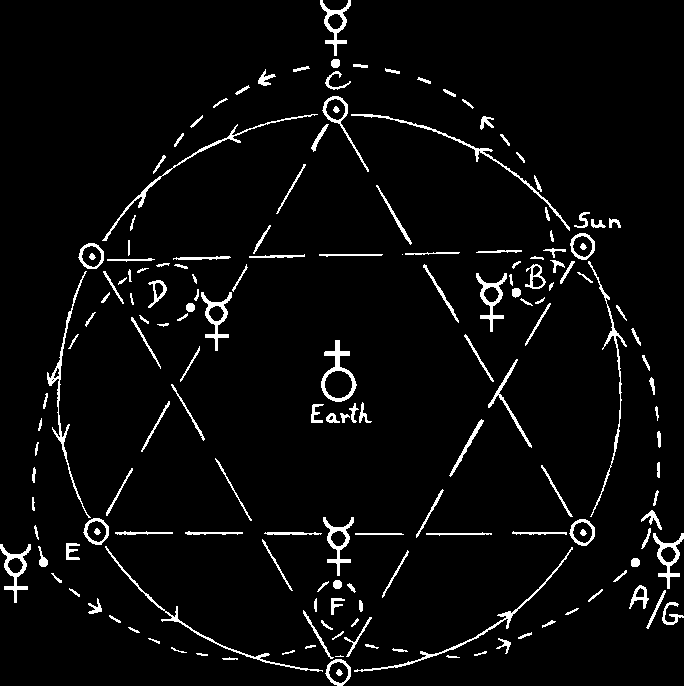
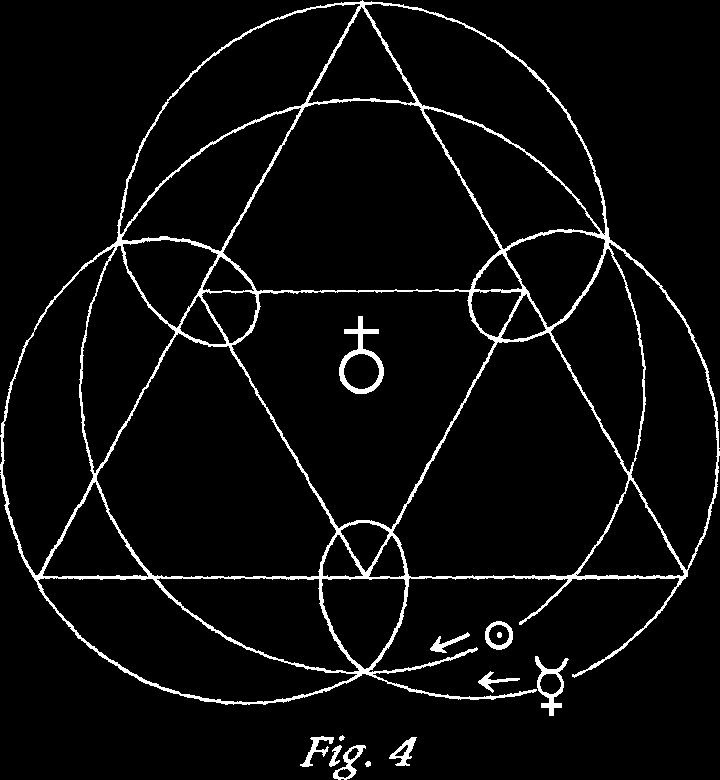
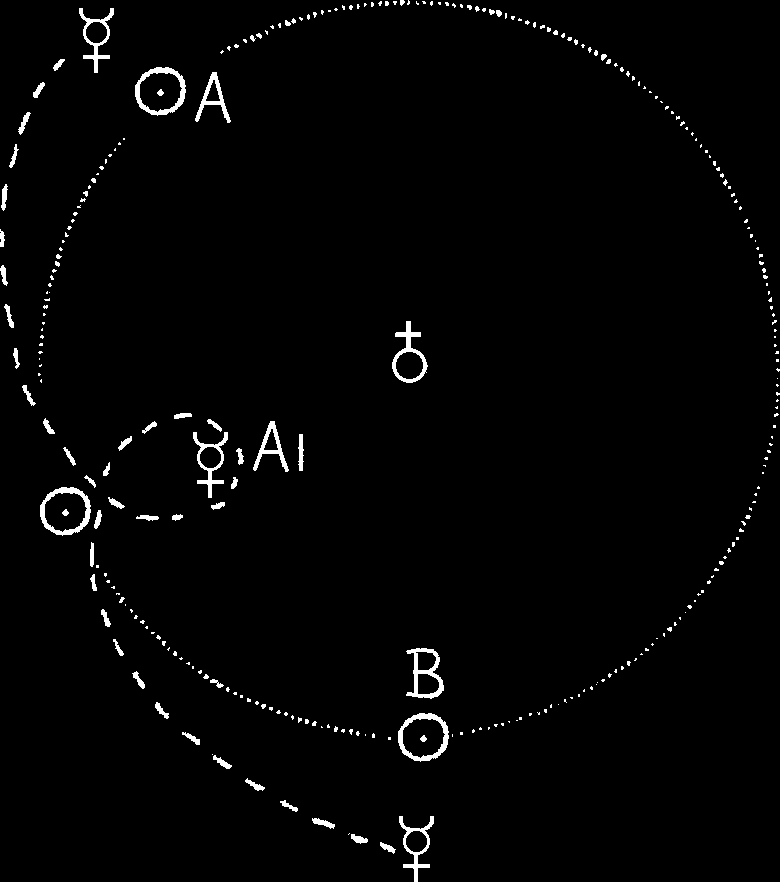
Venus: value and relationship
Venus gives the passage a broader relational gesture. During descent, warmth and affinity contract toward a bond, value, boundary, or responsibility. At the Solar threshold, feeling meets the capacity to affirm freely; during ascent, care can become a conscious deed.
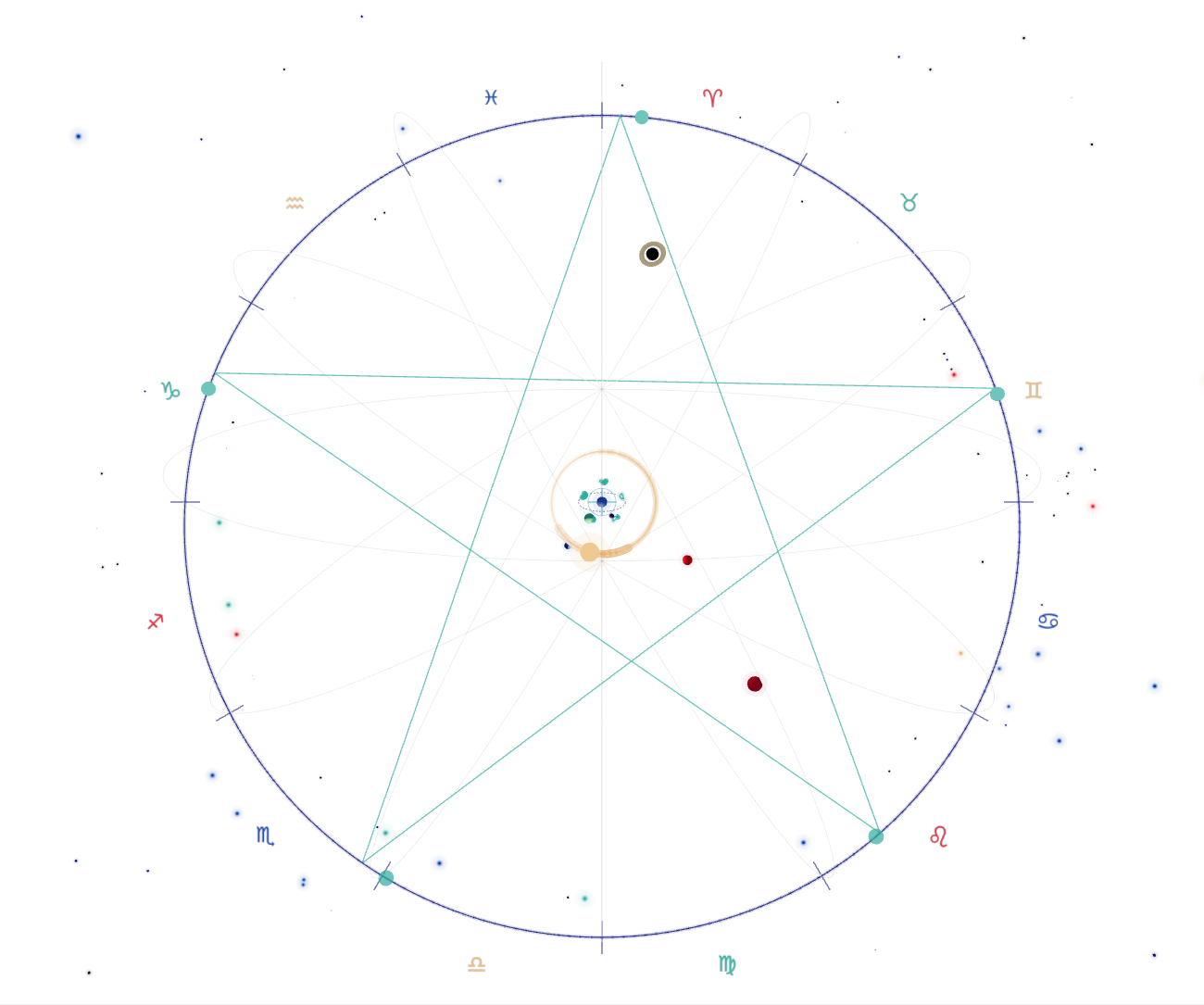
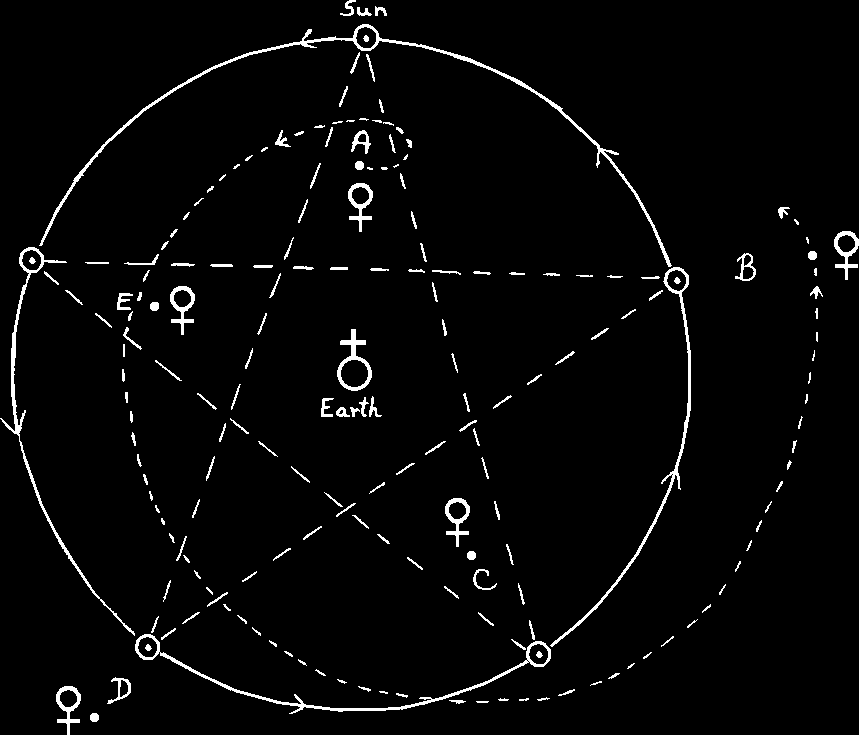
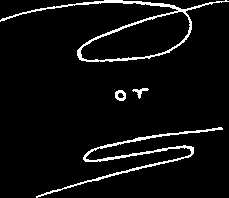
Source: Apparent motion, stations, conjunctions, and shadow crossings are astronomical calculations. The planetary-sphere picture draws on anthroposophical descriptions of the journey through the spheres, including GA 207, GA 218, and GA 236. Applying descent and ascent to this retrograde sequence is this app’s Astrosophy reading. The lemniscatory geometry follows Rudolf Steiner’s astronomy lectures and Roland Schrapp’s later reconstruction. Inferior conjunction is a different moment from the Midnight Hour of Existence.